


Making the Most of a Vedic Astrology Guide
- Jan 4
- 4 min read
Vedic astrology, also known as Jyotish, is an ancient Indian science that offers profound insights into life, personality, and destiny. Rooted in the Vedas, this system uses the positions of planets and stars to interpret human affairs and natural phenomena. Whether you are a curious beginner or someone seeking a more profound understanding, a well-structured guide to Vedic astrology can unlock the secrets of your cosmic blueprint.
Understanding the basics and practical applications of Vedic astrology can empower you to make informed decisions, improve relationships, and enhance your personal growth. This article will walk you through essential aspects of Vedic astrology and how to make the most of a reliable vedic astrology guide.
What Is Vedic Astrology? A Guide to Vedic Astrology Fundamentals
Vedic astrology differs from Western astrology in its approach and calculations. It is based on the sidereal zodiac, which considers the actual positions of constellations, unlike the tropical zodiac used in the West. This makes Vedic astrology more aligned with astronomical realities.
Key components of Vedic astrology include:
Rashis (Zodiac Signs): There are 12 signs, each representing different personality traits and life paths.
Nakshatras (Lunar Mansions): The moon’s position in one of 27 nakshatras influences emotional and mental tendencies.
Planets (Grahas): Nine planets, including the Sun, Moon, Mars, Mercury, Jupiter, Venus, Saturn, Rahu, and Ketu, play vital roles.
Houses (Bhavas): The birth chart is divided into 12 houses, each governing specific life areas like career, health, and relationships.
By understanding these elements, you can interpret your birth chart or Kundli, which is a snapshot of the sky at your birth time. This chart serves as a cosmic map guiding your life’s journey.
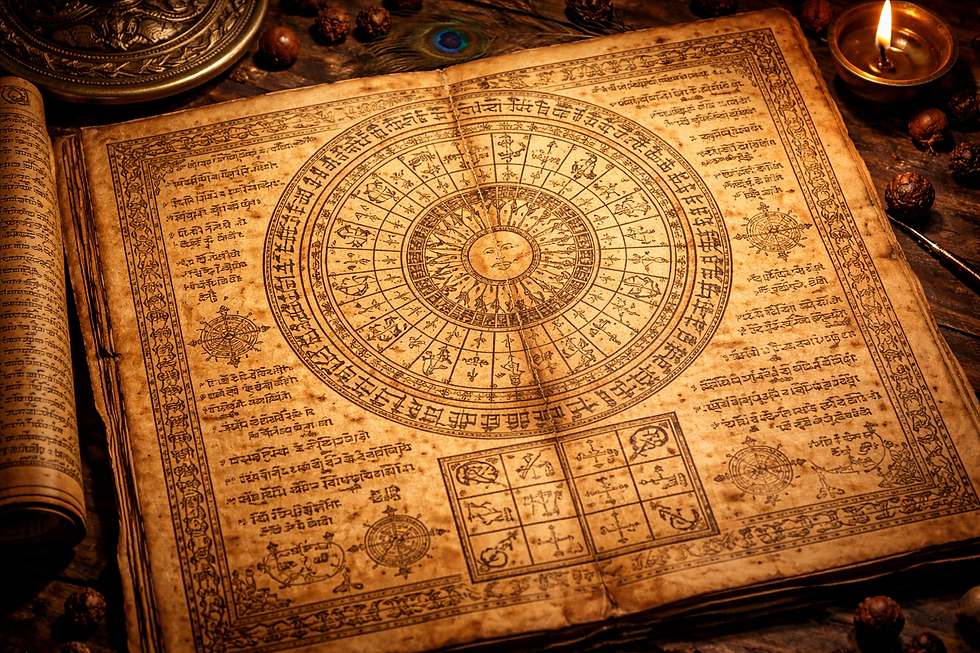
How to Use a Guide to Vedic Astrology Effectively
A comprehensive guide to Vedic astrology should be easy to follow and rich in practical advice. Here are some tips to maximize your learning and application:
Start with Your Birth Chart: Obtain your accurate birth details (date, time, and place) to generate your Kundli. Many online tools and astrologers can help with this.
Learn the Meaning of Each Planet and Sign: Focus on how each planet influences your personality and life events.
Understand Planetary Periods (Dasha): Vedic astrology uses a unique system of planetary periods that predict phases of life. Knowing your current Dasha can help you anticipate opportunities and challenges.
Explore Remedies and Rituals: Vedic astrology often suggests remedies like gemstones, mantras, or charitable acts to mitigate negative planetary effects.
Keep a Journal: Track your experiences and changes as you apply astrological insights. This helps deepen your understanding.
By following these steps, you can transform abstract concepts into actionable knowledge that benefits your daily life.

The Role of Nakshatras in Personal Growth
Nakshatras, or lunar mansions, are unique to Vedic astrology and provide detailed insights into your emotional and spiritual makeup. Each nakshatra spans 13 degrees and 20 minutes of the zodiac and has a ruling deity and planet.
For example:
Ashwini Nakshatra: Known for energy and healing abilities.
Rohini Nakshatra: Associated with creativity and abundance.
Mrigashira Nakshatra: Linked to curiosity and communication.
Understanding your moon’s nakshatra can help you identify your innate strengths and challenges. It also guides you in selecting auspicious times for essential activities such as marriage, business, or travel.
Practical Applications of Vedic Astrology in Daily Life
Vedic astrology is not just theoretical; it offers practical tools for improving your life. Here are some ways to apply it:
Career Planning: Analyse your 10th house and its lord to find suitable professions.
Relationship Compatibility: Compare birth charts to assess compatibility and potential challenges.
Health Awareness: Identify vulnerable areas in your chart to take preventive health measures.
Financial Forecasting: Use planetary transits to inform investment and expenditure decisions.
Spiritual Growth: Follow prescribed mantras and rituals to enhance mental peace and focus.
By integrating these applications, you can navigate life’s ups and downs with greater confidence and clarity.
Choosing the Right Vedic Astrology Guide for You
With many resources available, selecting the right guide is crucial. Look for:
Credibility: Choose guides authored by experienced astrologers with a strong background in Jyotish.
Clarity: The guide should explain concepts in plain language, using examples.
Comprehensiveness: It should cover basics, advanced topics, and practical remedies.
Interactive Tools: Access to charts, calculators, and personalised readings enhances learning.
Community Support: Forums or groups where you can ask questions and share experiences.
A trusted vedic astrology guide can serve as your companion on this fascinating journey, providing reliable knowledge and support.
Embracing the Wisdom of Vedic Astrology
Exploring Vedic astrology offers insight into the cosmic forces shaping your life. By making the most of a detailed guide, you can harness this ancient wisdom to understand yourself better and make empowered choices.
Remember, astrology is a tool for guidance, not a deterministic fate. Use it to illuminate your path, cultivate self-awareness, and embrace the opportunities that come your way. With patience and practice, the stars can become your allies in the quest for a fulfilling and balanced life.


Comments